
How France’s Crisis Threatens the European Centre
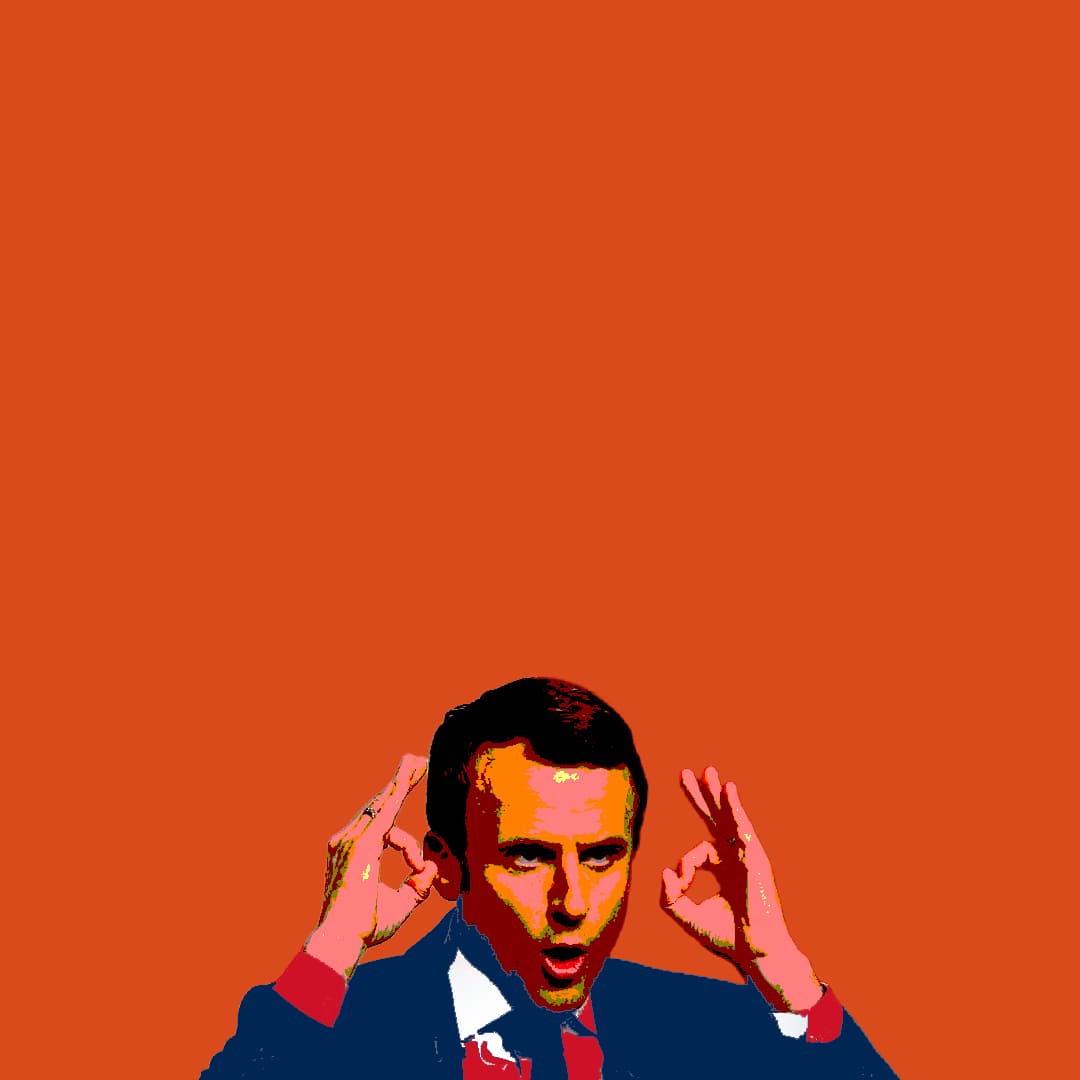
The French state is in crisis. At what level this crisis lies, whether it be merely the mistakes of a particular executive, or something more fundamental, has inspired vigorous debate. It is suggested by certain media and politicians, somewhat overenthusiastically, that this embodies a constitutional or institutional crisis. Proponents of this view argue that structural flaws in the current French constitution make such crises inevitable. However, reexamination of the causes reveals that the fault lies not in the constitution but in the political pressures applied specifically to Emmanuel Macron’s administration.
France is currently governed by its fourth minority government since the 2024 legislative elections, the first three of which have been defeated by an inability to pass economic reforms. The budgetary issue is a consequence of France’s slowing growth, combined with its high debt, which is, in part, due to its high welfare spending. President Macron and his supporters conclude that it is necessary to reduce spending, for example, by passing unpopular reforms to pensions or austerity measures. There is no parliamentary majority in the National Assembly, and the unpopularity of both the cuts and Macron makes the political blocs content to obstruct any such reforms. France, unlike other states with proportional representation, hosts a majoritarian political culture which disincentivises coalition building. The believed need for cuts is therefore at odds with the current political arrangement.
The implicit conclusion of criticisms of the Fifth Republic’s constitution is that if the assembly were empowered, the parties would negotiate a consensual solution. To better understand this argument, we must travel through time to 1958. The Fourth French Republic had been through 5 prime ministers in 4 years, had been fighting unsuccessful colonial wars for two decades, and now faced the threat of invasion from its own army in Algeria. While the Algerian crisis brought down the republic, there Charles de Gaulle believed that the root of the problem lay with the constitution itself: too much power lay with the assembly to dismiss governments, with party polarisation leading to endless instability in government. His solution was an empowered executive. The only way to avoid civil war was to invest as President of the Council of Ministers General Charles de Gaulle, and grant him exceptional powers, including to begin the process of reconstituting the republic. This new Fifth French Republic gave the executive much stronger powers, and rendered the office of the President clearly superior in competence to the assembly; the parliamentary republic became at least semi-presidential.
In 1958, as now, the crisis at hand constituted cabinet instability due to a polarised body politic. To disempower the executive at this time would plunge France into an even more severe state of political paralysis. As in 1958, there are three major political groups: a highly unpopular centre, an intransigent left wing keen to flex the muscles of strike and protest, and a right wing highly sceptical of the system and unwilling to support coalitions. Unlike in 1958, there is no leader who could garner such huge support for constitutional change as de Gaulle did. The lack of faith in Macron compared to de Gaulle therefore lies at the heart of the difference in success of the two premiers. In other words, when people criticise the constitution’s preference for executive power, they are really criticising Macron’s specific use of that power. In other words, we are witnessing a crisis of confidence, not Constitution. Undeniably, there are good reasons to question Macron’s use of the executive: the appointment of centre-right prime ministers despite the left wing parliamentary plurality; the reliance on article 49.3 of the constitution, which allows the government to push through legislation without parliamentary support, to make reforms to social welfare; and the unwillingness to call a parliamentary election to resolve the hung parliament driving the political difficulties are all valid complaints. Despite this, the current government under Lecornu seems intent on delivering a budget based on negotiations with and concessions to the left based on the pausing of the controversial pension age raise, and modifications to wealth tax.
What ought to trouble foreign observers is that the true roots of the crisis are disturbingly close to home: weakening support for national institutions, economic uncertainty, and the polarisation of the electorate which makes coalition-building more difficult, especially given the majoritarian nature of French democracy. No party wishes to attach itself to the unpopularity of the centrist executive, which makes negotiating crucial legislation like the budget increasingly difficult. This legislature and culture make France highly vulnerable to the ravages of the current political climate, but the same underlying problems exist in other European countries. Stripping the issue of its France-specific qualities, the situation consists of a moderate executive who must balance the threat of the rising far-right with the intransigence of the left-wing against the need for economic reform. Members of the Labour Party in the UK or the CDU in Germany will find this a familiar dilemma.
In summary, France’s current political crisis consists not of a constitutional crisis brought about by a tyrannical executive, but rather in a political inability to deal with the specific current economic and social factors. Therefore, let not France’s vulnerability compel faith in the invincibility of other countries. The other two largest European economies – the UK and Germany – face similar challenges and the French response to conditions will either become a harbinger of a doomed European centrism, or its model for salvation.